KEY TAKEAWAYS
- The 2026 automobile allowance is up to $27,074.99, paid directly to the vehicle seller — a one-time benefit toward a specially equipped vehicle.
- This is two separate benefits, not one: the automobile allowance (vehicle purchase) and the Special Adaptive Equipment (SAE) grant (modifications). You can qualify for one, the other, or both.
- A 100% disability rating alone doesn’t qualify you. Eligibility is based on specific conditions — loss or loss of use of a hand or foot, certain vision loss, severe burns, ALS, or knee/hip ankylosis — not your overall rating percentage.
- The automobile allowance is generally a once-in-a-lifetime benefit, with two exceptions: 30+ years since your last grant, or your vehicle was destroyed in a natural disaster.
- The adaptive equipment grant is renewable and can apply to more than one vehicle over time — a meaningfully different rule than the vehicle purchase grant.
- Two Separate Benefits, Not One
- Who Qualifies
- How Much You Get
- Getting a Second Automobile Allowance
- How to Apply
- Frequently Asked Questions
A service-connected disability can make driving a standard vehicle difficult, unsafe, or impossible. VA’s automobile allowance and adaptive equipment program exists to close that gap — but it’s a narrower, more specific benefit than many veterans assume, and it’s genuinely one of the lesser-known programs in the entire VA system. This guide covers exactly who qualifies, how much the benefit actually pays, and how to apply.
Two Separate Benefits, Not One
VA actually runs two related but distinct benefits under this program, authorized under Chapter 39 of Title 38:
- The automobile allowance — a one-time payment toward purchasing a specially equipped vehicle, paid directly to the seller.
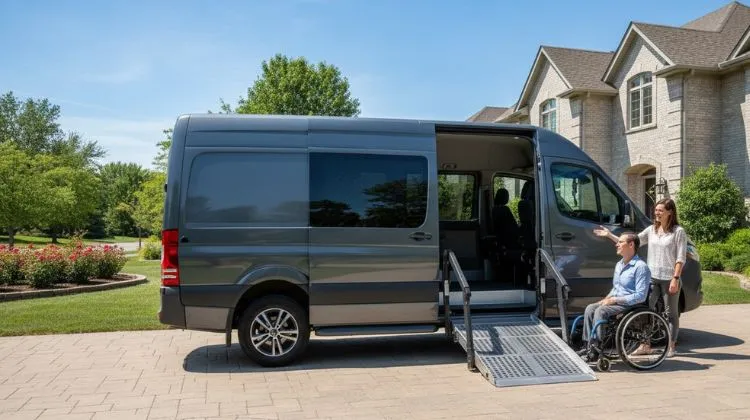
- The Special Adaptive Equipment (SAE) grant — separate funding specifically for adaptive modifications, like hand controls or wheelchair lifts, which can be used on a vehicle you already own or one you’re purchasing.
You can qualify for one, the other, or both — the eligibility lists overlap significantly but aren’t identical, and the rules for how often you can receive each are meaningfully different.
Who Qualifies
This is the detail that trips up a lot of veterans researching this benefit: a 100% disability rating alone doesn’t establish eligibility. VA looks at specific, listed conditions rather than your overall rating percentage.
You may qualify for both the automobile allowance and the adaptive equipment grant if your service-connected disability (or a condition treated as service-connected under 38 U.S.C. § 1151) includes:
- Loss, or permanent loss of use, of one or both feet
- Loss, or permanent loss of use, of one or both hands
- Permanent decreased vision in both eyes — 20/200 or less in your better eye with glasses, or a visual field defect that has reduced your peripheral vision to 20 degrees or less in your better eye
- A severe burn injury involving deep partial-thickness or full-thickness burns that caused scar contractures limiting motion of an extremity or the trunk, to the point of preventing effective vehicle operation
- Amyotrophic Lateral Sclerosis (ALS)
You may qualify for the adaptive equipment grant only — not the vehicle purchase grant — if you have:
- Service-connected ankylosis (joint immobility) in one or both knees
- Service-connected ankylosis in one or both hips
There’s also a notable exception tied to Veteran Readiness and Employment (VR&E): if you’re actively participating in a VR&E program and being able to drive is required to complete it, you may qualify for the adaptive equipment grant even if the underlying need isn’t service-connected.
How Much You Get
The automobile allowance pays up to $27,074.99, effective October 1, 2025, paid directly to the vehicle seller toward the total purchase price. If the vehicle costs more than that, you’re responsible for the difference. This amount adjusts periodically based on federal cost indexes, so it’s worth confirming the current figure before you finalize a purchase.
The adaptive equipment grant is a separate amount, calculated based on VA’s Adaptive Equipment Schedule for Automobiles and Other Conveyances — essentially an industry-standard cost schedule for the specific modifications you need, rather than a single flat figure. VA can pay the equipment seller directly, or reimburse you, depending on how the claim is set up.
Getting a Second Automobile Allowance
The automobile allowance is generally a once-in-a-lifetime benefit. You may be eligible for a second one only if:
- You purchased your previous vehicle using the VA automobile allowance 30 or more years ago, or
- A natural disaster destroyed the vehicle you purchased with the VA automobile allowance
The adaptive equipment grant works differently — it’s renewable and can apply to more than one vehicle over time, rather than being a strict once-in-a-lifetime benefit. If you already have an adapted vehicle and are considering a second one, discuss your situation with VA’s prosthetics office before applying, since VA does apply limits to how the adaptive equipment benefit is used across multiple vehicles.
How to Apply
- For the automobile allowance: file VA Form 21-4502 (Application for Automobile or Other Conveyance and Adaptive Equipment) with your VA Regional Office.
- For the adaptive equipment grant: file VA Form 10-1394 (Application for Adaptive Equipment-Motor Vehicle). This form is also used to request equipment not already covered under an automobile allowance approval.
- Wait for a decision. Your Regional Office will evaluate whether your condition matches an eligible category and issue a decision granting or denying the allowance. Make sure your application clearly connects your documented, rated disability to the specific driving limitation — VA needs the file to show why the claimed benefit fits your established disability, not just that you have a qualifying diagnosis in general terms.
- If approved, purchase the vehicle or equipment and sign the appropriate section of your VA form at the time of sale.
- The seller submits the paperwork and invoice to VA for payment — you generally don’t pay the full amount out of pocket and wait for reimbursement, since VA pays approved sellers directly for the automobile allowance.
There’s no time limit between when your disability rating is granted and when you apply for this benefit, so it’s worth checking your eligibility even if the qualifying condition was rated years ago and you never pursued this specific grant.
TRENDING: See Today’s VA Loan Rates
KEEP READING
Veteran Readiness and Employment (VR&E) →
The program that can extend adaptive equipment eligibility even without a service-connected need, if driving is required to complete training.
How service-connected ratings work — the foundation this benefit’s eligibility list is built on.
VA Veterans Benefits: Your Complete Guide →
The full range of VA benefits, including specialized grants like this one, in context.
Frequently Asked Questions
No. This benefit is based on specific qualifying conditions — loss or loss of use of a hand or foot, certain vision loss, severe burns, ALS, or joint ankylosis — not your overall disability rating percentage. A veteran rated 100% for an unrelated condition wouldn’t automatically qualify, while a veteran with a lower overall rating but a listed qualifying condition could.
Generally, it’s a once-in-a-lifetime benefit, with two exceptions: you can qualify for a second allowance if it’s been 30 or more years since you purchased your previous vehicle with a VA automobile allowance, or if a natural disaster destroyed that vehicle.
The automobile allowance is a one-time payment (up to $27,074.99 in 2026) toward purchasing a specially equipped vehicle, paid directly to the seller. The adaptive equipment grant is a separate benefit specifically for modifications like hand controls or wheelchair lifts, and it’s renewable — it can apply to more than one vehicle over time, unlike the largely once-in-a-lifetime vehicle purchase grant.
You’d qualify for the adaptive equipment grant, but not the automobile purchase allowance itself. Knee and hip ankylosis are specifically listed as adaptive-equipment-only qualifying conditions under VA’s rules.
No. There’s no time limit between when your qualifying disability rating is established and when you apply for this benefit, so it’s worth checking your eligibility even years after the underlying rating decision.
This article is provided by USMilitary.org, an independent educational resource. We are not affiliated with the Department of Veterans Affairs or any government agency. For official information and to apply, visit VA.gov.
