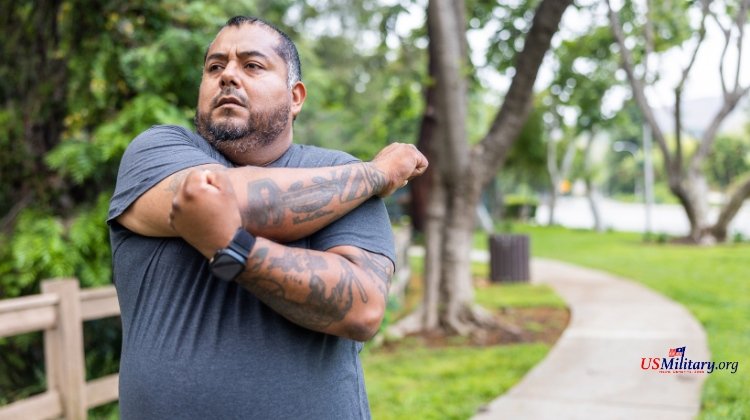
If you’re a veteran with a service-connected disability, this one’s for you. Navigating the world of benefits can be overwhelming, but it doesn’t have to be. Did you know that the VA offers various perks designed specifically for disabled veterans? From tax breaks and educational assistance to comprehensive healthcare services – there’s so much available that often goes unnoticed.
I get it; sifting through endless information is daunting. But understanding what’s out there can make all the difference in your quality of life. Whether it’s property tax exemptions or free fishing licenses (yes, really!), these benefits are here to ease some burdens and provide well-deserved support.
Let’s break down some key points about disabled veteran benefits that could positively impact your day-to-day living.
Table of Contents:
- Types of VA Disability Benefits
- Eligibility Requirements for VA Disability Benefits
- How to Apply for VA Disability Benefits
- Understanding VA Disability Ratings
- Additional Benefits for Disabled Veterans
- Benefits for Dependents of Disabled Veterans
- Common Myths About VA Disability Benefits
- Resources for Disabled Veterans
- Conclusion
Types of VA Disability Benefits
As a veteran who’s been through the process, I know firsthand how confusing and overwhelming it can be to navigate the world of VA disability benefits. There are so many different types of compensation available, each with its own set of eligibility requirements and application processes.
The recent news about the PACT Act granting over 1 million claims is a testament to just how many veterans are in need of and eligible for these crucial disability benefits. But with so many veterans receiving compensation, it’s more important than ever to understand the different types available.
Post by @whitehouseView on Threads
Disability Compensation
The most common type of VA disability benefit is disability compensation. This tax-free monthly payment is available to veterans who have a service-connected disability, meaning an injury or illness that was incurred or aggravated during active military service. The amount of compensation varies based on the severity of your disability, rated on a scale from 0% to 100%.
Dependency and Indemnity Compensation (DIC)
Another important type of VA disability benefit is Dependency and Indemnity Compensation (DIC). This tax-free monthly payment is available to surviving spouses, children, and parents of veterans who died in the line of duty or as a result of a service-connected disability. Losing a loved one is never easy, but DIC can provide much-needed financial support during a difficult time. I’ve seen firsthand how this benefit has helped families of fallen servicemembers stay afloat and rebuild their lives.
Special Monthly Compensation (SMC)
For veterans with severe disabilities, Special Monthly Compensation (SMC) may be available in addition to regular VA disability compensation. SMC is a higher rate of payment that recognizes the unique challenges and expenses associated with certain disabilities, such as loss of limbs, blindness, or need for daily assistance. When I worked with veterans as a VSO, I saw many cases where SMC made a huge difference in quality of life. It provided the extra support needed to cover the costs of adaptive equipment, home modifications, and in-home care.
Additional Benefits
Beyond monetary compensation, disabled veterans may also be eligible for a range of additional benefits, such as:
- Health care through the VA
- Adaptive housing grants
- Vocational rehabilitation and employment services
- Discounts on property taxes, vehicle registration, and more
These additional veteran benefits can make a real difference in day-to-day life, easing financial burdens and opening up new opportunities. I encourage every veteran to explore the full range of benefits available and take advantage of all the support they’ve earned.
Eligibility Requirements for VA Disability Benefits
So, you think you might be eligible for VA disability benefits? As a veteran myself, I know how important it is to understand the requirements and gather the right evidence for your disability claim. Let’s break it down.
Service Connection
First and foremost, your disability must be service connected. That means it was caused or aggravated by your active duty military service. This can include injuries sustained in combat, training accidents, or even exposure to toxic substances like Agent Orange. In my case, I developed chronic back pain after a hard landing during airborne training. Even though I didn’t seek treatment until after I left the Army, I was still able to establish service connection by providing my jump log and buddy statements from fellow soldiers who remembered the incident.
TRENDING: See Today’s VA Loan Rates
Current Disability
To be eligible for benefits, you must have a current disability that affects your mind or body. This may seem obvious, but it’s an important point. The VA won’t provide compensation for past disabilities that have fully healed. When I filed my claim, I made sure to include recent medical records showing that I was still experiencing pain and limited range of motion in my back. Without that evidence of a current disability, my claim would have been dead in the water.
Medical Evidence
Speaking of medical evidence, that’s the key to a successful VA disability claim. You’ll need to provide records from both military and civilian doctors showing the history and current status of your disability. In addition to medical records, you can also submit lay evidence like personal statements and buddy statements. These can help fill in gaps in your medical history and provide valuable context for your claim. When I filed my claim, I got statements from my wife and friends describing how my back pain affected my daily life. I truly believe those personal accounts made a difference in the VA’s decision to grant me service-connected disability benefits. The road to VA disability benefits can be long and winding, but don’t get discouraged. With the right evidence and a little persistence, you can get the compensation you deserve for your service-connected disability. As a fellow veteran, I’m rooting for you every step of the way.
How to Apply for VA Disability Benefits
Applying for VA disability benefits can seem daunting, but as a veteran who’s been through the process myself, I’m here to guide you through it. Trust me, with a little preparation and perseverance, you can get the compensation you deserve.
Gather Evidence
The first step in applying for benefits is to gather evidence to support your disability claim. This includes your DD214 (discharge papers), service medical records, and any civilian medical records related to your disability. I can’t stress enough how important it is to have comprehensive, up-to-date medical evidence. When I filed my claim, I made sure to get my private doctor to fill out a Disability Benefits Questionnaire (DBQ) detailing my current symptoms and limitations. That extra documentation made a big difference in the VA’s decision.
Submit Your Claim
Once you have your evidence in order, it’s time to submit your claim to the VA. You can do this online, by mail, or in person at your local VA regional office. I opted to work with a Veterans Service Organization (VSO) to file my claim. These nonprofits have trained representatives who can help you navigate the process and advocate on your behalf. Having an expert in my corner gave me peace of mind and helped me avoid common mistakes that can delay or derail a claim.
VA Claim Exam
After you submit your claim, the VA will review your evidence and may request a claim exam, also known as a Compensation and Pension (C&P) exam. This is a medical evaluation conducted by a VA doctor or contracted provider to assess the severity of your disability. I remember being nervous before my C&P exam, but the doctor put me at ease and took the time to thoroughly document my symptoms. It’s important to be honest and upfront during this exam, even if it means admitting to pain or limitations you’d rather not acknowledge.
Rating Decision
Once your claim has been fully developed, the VA will issue a rating decision. This document will detail which disabilities have been granted service connection and at what percentage they have been rated. If you disagree with the VA’s decision, don’t panic. You have the right to appeal and submit additional evidence. I had to go through the appeals process myself before I was ultimately granted the rating I believed I deserved. The key is to stay patient and persistent. Keep advocating for yourself and don’t be afraid to ask for help. With the right evidence and support, you can secure the VA disability benefits you’ve earned through your service and sacrifice.
Understanding VA Disability Ratings
If you’re applying for VA disability benefits, one of the most important things to understand is how the VA assigns disability ratings. As a veteran who’s been through this process myself, I know it can be confusing and even frustrating at times. But with a little knowledge and persistence, you can ensure you get the rating you deserve.
Want updates when benefit rates change?
Join thousands of service members who get our free weekly briefing.
By subscribing you agree to receive email from USMilitary.org and Military.net. Unsubscribe anytime. We don't sell your email address or give it to anyone for their marketing. Privacy Policy.
Rating Percentages
VA disability ratings are assigned in 10% increments, from 0% to 100%. The higher your rating, the more compensation you’ll receive each month. It’s important to note that the VA rates each disability separately. So if you have multiple service-connected conditions, you’ll receive a separate rating for each one. When I first applied for benefits, I was assigned a 30% rating for my back condition and a 10% rating for tinnitus. Those two ratings combined to give me a total disability rating of 40%, which determined my monthly compensation amount.
Combined Disability Rating
Speaking of combined ratings, it’s important to understand that the VA doesn’t simply add up your individual ratings to get your total disability percentage. Instead, they use a special formula called the “combined rating table.” Under this formula, your highest rating is considered first, then the second highest, and so on. Each additional rating is applied to the remaining percentage of disability. It’s a bit complicated, but the VA has a handy calculator on their website that can help you estimate your combined rating. In my case, my 30% and 10% ratings combined to 40%. That meant I was considered 40% disabled overall, even though the individual percentages added up to more than that.
Permanent and Total Disability
If you receive a 100% disability rating, and the VA determines that your condition is permanent and unlikely to improve, you may be considered “permanently and totally disabled.” This designation comes with additional benefits, such as higher priority for VA health care and eligibility for the Chapter 35 education benefits for your dependents. The key takeaway here is that VA disability ratings are complex, but they have a big impact on the benefits and compensation you receive. If you believe your rating is too low or doesn’t reflect the true severity of your condition, don’t be afraid to appeal and advocate for yourself. I know it can be a long and frustrating process, but as a fellow veteran, I promise it’s worth it. Keep pushing until you get the rating and benefits you deserve for your service and sacrifice.
Key Takeaway:
VA disability benefits can be complex, but understanding the different types and eligibility requirements is crucial. From monthly compensation to additional support like health care and adaptive housing grants, these benefits are vital for many veterans. Always gather strong evidence for your claim and consider appealing if necessary.
Additional Benefits for Disabled Veterans
As a disabled veteran, you’ve sacrificed so much for our country. And while no amount of benefits can ever fully repay that debt, there are many additional supports available beyond just disability compensation.
Property Tax Exemptions
Did you know that many states offer property tax exemptions for disabled veterans? It’s true. The specifics vary by state, but if you own a home, this is a huge benefit worth looking into. In my home state of Indiana for example, a veteran with a 100% service-connected disability rating is eligible for a full property tax exemption on their primary residence. That’s thousands of dollars saved each year. Check with your state’s department of veterans affairs to see what property tax exemptions you may qualify for.
Education Benefits
The Post-9/11 GI Bill is an incredible education benefit for veterans. But did you know that if you have a service-connected disability, you may be eligible for these benefits with as little as 30 days of continuous service? That’s right – the normal requirement of 36 months is waived for disabled veterans. So whether you want to earn a degree, learn a trade, or gain new skills, your service-connected disability could open doors to valuable education and training opportunities. I’ve seen firsthand how these benefits can be life-changing.
Health Care
One of the most important benefits for disabled veterans is access to VA health care. If you have a service-connected disability, you can receive no-cost treatment for those conditions in the VA system. But beyond that, the VA also provides low-cost health care services for non-service-connected issues to enrolled veterans. This includes preventive care, mental health services, prescription medications and more. In my experience, VA health care has been top-notch. The doctors truly understand the unique needs of veterans.
Individual Unemployability
For some disabled veterans, their service-connected conditions may make it impossible to maintain steady employment, even if their rating is below 100%. That’s where Individual Unemployability comes in. If you can’t work due to your service-connected disabilities, you may be eligible to receive compensation at the 100% rate through Individual Unemployability, even if your combined disability rating is lower. This benefit has been a lifeline for so many veterans I know who are unable to work. The application process can be a bit complex, so I always recommend working with a Veterans Service Organization or a VA representative to put together a strong claim. But don’t let the paperwork scare you away from this valuable benefit.
This AARP survey shows that many veterans are unaware of the additional benefits available, like grants for adaptive housing. It’s so important that we spread the word about all the support that’s out there for disabled veterans.
Benefits for Dependents of Disabled Veterans
When a veteran has a disability, it doesn’t just affect them – it impacts their whole family. Thankfully, there are several benefits available to support the dependents of disabled veterans.
Dependents’ Educational Assistance (DEA)
The Dependents’ Educational Assistance program offers education and training opportunities to eligible dependents of veterans who are permanently and totally disabled due to a service-connected disability. This can include children between the ages of 18 and 26, as well as spouses. Through DEA, dependents can receive financial support for degree programs, certificate courses, apprenticeships, and on-the-job training. It’s an incredible way to invest in the future of military families who have sacrificed so much. I’ve seen the impact of this program firsthand. My neighbor’s daughter is attending college on a DEA scholarship, pursuing her dream of becoming a teacher. Her father’s service-connected disability made this opportunity possible.
Survivors Pension
For the surviving spouses and dependent children of veterans who have passed away, the Survivors Pension offers a needs-based benefit to help with financial challenges. To be eligible, the veteran must have met certain service requirements, and the surviving spouse must generally have a low income. This tax-free benefit can provide much-needed support during a difficult time of transition. I know how overwhelming it can be to navigate benefits after losing a loved one. But the Survivors Pension is there to help qualifying spouses and children as they rebuild their lives.
CHAMPVA
The Civilian Health and Medical Program, or CHAMPVA, is a comprehensive health care program available to the spouses and children of permanently and totally disabled veterans. CHAMPVA can cover everything from doctor visits and hospital care to prescription medications and mental health services. It’s an essential benefit for families caring for a disabled veteran. I remember when my battle buddy’s wife was diagnosed with cancer a few years after he was rated 100% disabled. CHAMPVA coverage made a world of difference for their family during her treatment. It’s a safety net that no veteran’s family should be without.
The PACT Act has provided more than 1 million veterans exposed to burn pits, Agent Orange and toxic substances the healthcare benefits needed to live a life of dignity. President Biden and House Democrats will always be there for those who have served our country in uniform.3 hours ago
The recent PACT Act is a great example of how the government is working to expand benefits for veterans and their families, especially around critical healthcare needs. It’s heartening to see this kind of progress.
Common Myths About VA Disability Benefits
There’s a lot of misinformation out there about VA disability benefits. Let’s clear up a couple of the most common myths I hear from fellow veterans.
Myth: You Can’t Receive VA Disability and Military Retired Pay
A lot of veterans think they have to choose between VA disability compensation and their military retirement pay. But that’s not always the case. Under Concurrent Retirement and Disability Pay (CRDP), some veterans can receive both benefits simultaneously with no reduction. To qualify for CRDP, you must be a retiree with a VA disability rating of 50% or higher. I’ve met veterans who went years without applying for VA disability because they thought it would impact their retirement pay. Don’t let this misconception cause you to miss out on the benefits you’ve earned.
Myth: You Must Have a 100% Rating to Qualify for Benefits
Another common myth is that you need a 100% disability rating to access any VA benefits. While a total disability rating does open up additional support, veterans with lower ratings still qualify for a wide range of programs. Any service-connected rating of 10% or higher entitles you to monthly compensation payments. And even a 0% rating can unlock benefits like healthcare and hiring preference.
Resources for Disabled Veterans
Navigating the world of veterans benefits can feel overwhelming at times. But you don’t have to go it alone – there are so many resources available to help you understand and access the support you’ve earned.
Veterans Service Organizations (VSOs)
Veterans Service Organizations like DAV, VFW, and the American Legion have trained representatives who can assist you free of charge with things like filing claims, appealing decisions, and connecting with local resources. These VSOs have been a game-changer for so many veterans I know. They understand the complex web of VA benefits and can be a real advocate in your corner.
VA Regional Offices
Your local VA Regional Office is a great place to turn for help with understanding and applying for benefits. You can sit down with a VA representative face-to-face and get your questions answered. Don’t be afraid to reach out to your Regional Office – they are there to serve you. You can find more VA benefits by state on USMilitary.org, and your state might also exempt income tax for Veterans.
Online Resources
These days, there are so many online tools to help veterans learn about and manage their benefits. The VA website is packed with information on everything from compensation rates to eligibility requirements. There are also some great third-party sites out there.
The White House announced that more than 1 million claims have been granted through the PACT Act. More than 880,000 veterans are receiving disability benefits through the PACT Act across the entire country, according to the White House. trib.al/hbWTMYg3 hours ago
The recent news about the impact of the PACT Act shows just how critical it is for veterans to stay informed about changes in benefits and take advantage of new opportunities. With over 1 million claims already granted, this legislation is making a real difference for toxic-exposed veterans. At the end of the day, the most important thing is that you don’t let your disability define you. Yes, benefits are important. But they are just tools to help you build the life you want after service. Never forget how strong you are, how much you’ve overcome, and how bright your future can be. Keep pushing forward – your fellow veterans are right beside you, every step of the way.
Key Takeaway:
Explore property tax exemptions for disabled veterans in your state. These can save you thousands yearly on home taxes.
The Post-9/11 GI Bill offers education benefits to disabled veterans with as little as 30 days of service.
VA health care provides no-cost treatment for service-connected conditions and low-cost services for other issues.
If you’re unable to work due to disabilities, Individual Unemployability may provide compensation at the 100% rate.
Conclusion
Today’s look at disabled veteran benefits wasn’t just a casual stroll; these aren’t luxury items – they’ve been earned and should make life easier.
We’ve covered everything from tax breaks to educational opportunities and vital healthcare options—all set up to thank you for your service and support you in civilian life. Whether it’s cutting down on property taxes or helping you get that degree you dreamed about during service, these benefits pack a powerful punch.
The bottom line? Don’t miss out on what’s yours. Get those claims filed! Explore every avenue of help available because when it comes to enhancing your quality of life post-service, every little bit helps. And remember: It’s not just about accessing services—it’s about embracing the full scope of support that honors your sacrifices.
This isn’t merely assistance; it’s an arsenal of tools at your disposal. So go ahead—take advantage of what’s there! Disabled veteran benefits aren’t just bureaucratic niceties—they’re lifelines designed with heroes like you in mind.
This article is provided by USMilitary.org, an independent educational resource. We are not affiliated with the Department of Defense, the Department of Veterans Affairs, or any other government agency.
